
Siding Installation in The Village, OK
Siding installation is the process of fastening a new exterior cladding system, including the weather barrier, flashing, siding panels and trim, over your home's wall sheathing so it sheds water, resists wind and looks finished for decades. Village Home Siding Experts handles siding installation in The Village, OK, and nearby communities. We install vinyl, fiber cement, James Hardie and board and batten siding.
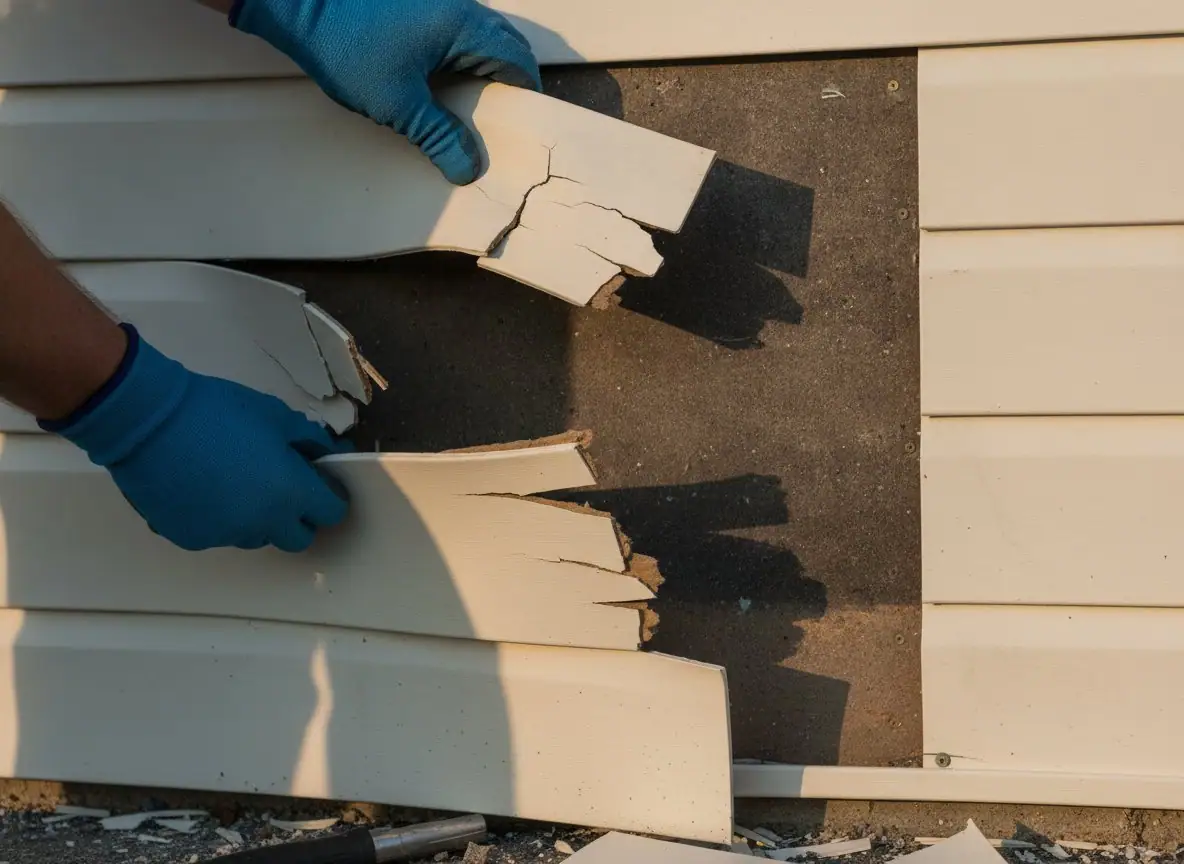
This page explains how putting siding on a house works and what goes underneath it. It also covers how to compare materials and what drives the price. When you are ready, you can open the page for the material you prefer or request a free installation estimate. For everything else we handle, see our siding services in The Village.
What is siding installation?
Siding installation is the full exterior wall system, not just the panels you see. A proper exterior siding installation has these layers, working from the inside out:
- Sheathing: the OSB or plywood that must be flat, dry and solidly nailed.
- Water-resistive barrier: house wrap or felt that catches water that gets past the siding.
- Flashing: metal or membrane at windows, doors, roof-wall intersections and penetrations that directs water outward.
- Siding and trim: the cladding that takes the sun, hail and wind.
When one layer is skipped or installed out of order, water gets behind the wall. That is why prep, wrap, flashing and fastening matter as much as the material you pick. Picking the material comes first, though, so here is what we install.
At a glance
Which siding types can we install on your home?
We install vinyl, fiber cement, James Hardie and board and batten siding. In the Oklahoma City area, most homeowners narrow the choice to vinyl or fiber cement. Many pair the new siding with broader exterior updates such as new trim, soffit and fascia. The table compares the options and links to each material's installation page.
| Material | Strengths | Trade-offs | Learn more |
|---|---|---|---|
| Vinyl | Lower material cost, light weight, no painting, many colors and profiles | Can crack under heavy hail; expands and contracts with heat; not fire-rated like cement products | vinyl siding installation |
| Fiber cement | Noncombustible, resists hail dents, pests and rot, has the look of painted wood | Heavier, needs specialized cutting and dust control, eventually needs repainting | fiber cement siding installation |
| James Hardie | A widely used fiber cement brand with factory-finish color options and detailed installation instructions | The same weight and handling demands as other fiber cement; the manufacturer's install rules must be followed closely | James Hardie siding installation |
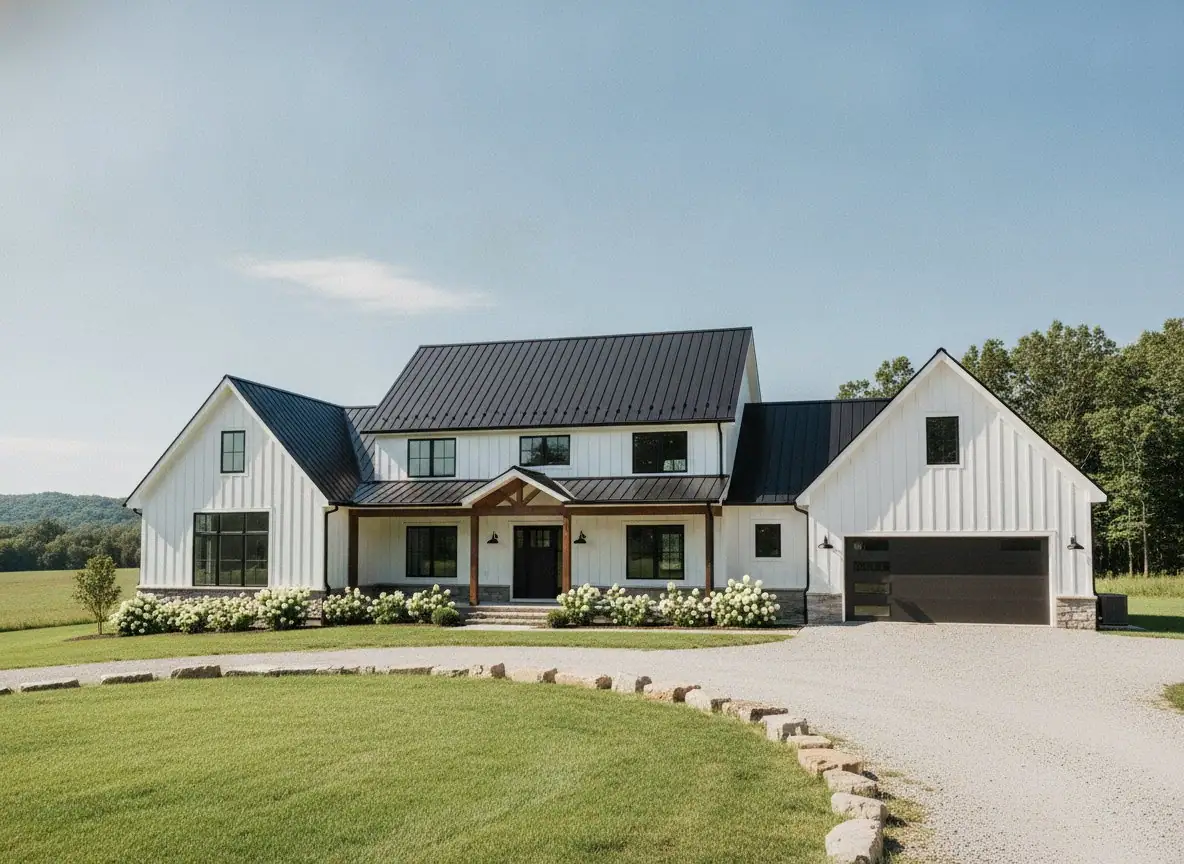
| Board and batten | Vertical, farmhouse or modern look; available in vinyl, fiber cement or wood | Vertical layout needs proper backing or furring for nailing; more trim detailing | board and batten siding installation |
Vinyl and fiber cement are each most often installed as horizontal lap siding, so it helps to understand what that term means.
Free, no-obligation estimates
Talk to Village Home Siding Experts
Tell us what you need and we’ll take it from there.
What is lap siding installation?
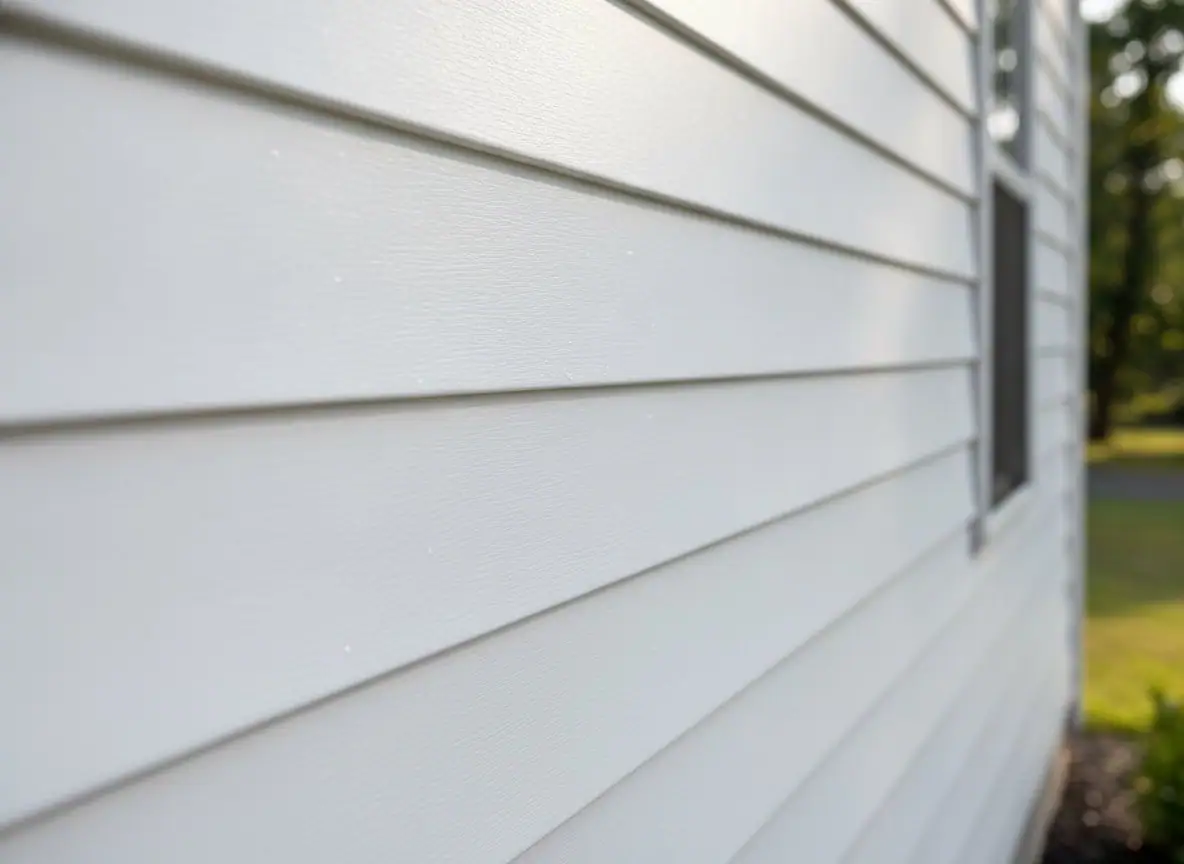
Lap siding installation means hanging horizontal boards so each course overlaps the one below it, shedding water down and away like shingles on a roof. The details that affect both looks and performance include:
- Profile: the shape of the board face. Clapboard (traditional lap) has a straight sloped face. Dutch lap adds a decorative groove along the top of each course. Beaded lap has a rounded bead at the bottom edge. Vinyl is often sold in "double" panels, such as double 4 or double 5, which look like two boards per panel.
- Exposure: how much of each board shows after overlap. Narrow exposures of about 4 inches read as traditional. Wider exposures of about 6 to 8 inches look more modern and cover a wall with fewer courses. For example, a common 8.25-inch fiber cement plank installs at roughly a 7-inch exposure. Fiber cement planks typically need at least a 1¼-inch overlap.
- Consistency: exposure must stay identical around corners and across walls. We plan course lines so they align with window heads and sills where possible.
With the profile chosen, the next question is how the work actually unfolds on site.
How is siding installed, step by step, and how long does it take?
Putting up siding follows a fixed sequence, and most single-family homes take a few days to about two weeks. The time depends on size, material, the number of stories and how much repair the walls need. Here is the order we follow:
- Prep: protect landscaping, remove old siding if needed, then inspect and repair soft or damaged sheathing.
- Weather barrier: install house wrap from the bottom up, with upper layers lapped over lower ones and seams taped.
- Flashing: flash window and door openings in shingle fashion. Add kick-out flashing where roofs meet walls, and flash vents and penetrations.
- Installation: set the starter strip level, then hang courses with correct fastening. Vinyl is nailed in the center of the slots and left loose enough to move, with gaps at channels for expansion. Fiber cement is nailed into framing or approved sheathing, with required clearances above grade and roofs.
- Trim: install corners, J-channel or trim boards, window surrounds, soffit and fascia as specified.
- Caulk: seal fiber cement butt joints and trim joints as the manufacturer requires. Vinyl relies on overlaps and channels, not caulk.
- Cleanup: remove debris and run a magnet sweep for nails. Finish with a final walk-through with you.
Fiber cement generally takes longer than vinyl because of its weight, cutting and finishing. Weather and hidden wall damage can also add days. The layers behind the panels deserve a closer look, starting with vinyl.
What should you put under vinyl siding?
Under vinyl siding you need a water-resistive barrier over solid sheathing, plus proper flashing at every opening. Optional foam insulation board can add energy performance and a firmer backing. Typical choices include:
- House wrap: a breathable sheet that blocks liquid water but lets vapor escape. This is the most common choice.
- Asphalt felt: an older but still accepted barrier.
- Foam insulation board or insulated vinyl: adds R-value and reduces waviness. Window and door trim depth must be adjusted to match.
- Drainable wraps: textured wraps that create a small gap so trapped water drains faster.
Vinyl is not watertight because it is designed to move, so the barrier behind it does the real waterproofing. That raises a question homeowners often confuse with this one.
At a glance
Do I need a vapor barrier under vinyl siding?
In most cases you do not need a separate vapor barrier under vinyl siding, but you do need a water-resistive barrier. The two do different jobs:
| Layer | What it does | Under vinyl in central Oklahoma? |
|---|---|---|
| Water-resistive barrier (house wrap) | Stops liquid water while letting vapor pass outward | Yes, required practice |
| Vapor barrier (poly sheeting) | Blocks moisture vapor from moving through the wall | Generally not on the exterior; it can trap moisture in the wall |
Our hot, humid summers and mild winters mean walls need to dry in both directions. Putting plastic sheeting behind siding can trap condensation against the sheathing. Wood siding has its own considerations, starting with how thick the boards should be.
How thick should exterior wood siding be?
Exterior wood siding is typically about ½ to ¾ inch thick at its thickest point. Common sizes by type:
- Bevel (lap) siding: about ½ inch at the butt edge for standard boards and ¾ inch for wider premium boards. It tapers to roughly 3/16 inch at the top.
- Shiplap and tongue-and-groove: nominal 1-inch boards, about ¾ inch actual.
- Board and batten: ¾-inch boards with ¾-inch battens is the common standard.
For comparison, fiber cement lap siding is usually about 5/16 inch thick. Vinyl panels are measured in thousandths of an inch, with thicker panels resisting sagging and impact better. Thicker material generally holds fasteners and resists warping better, which is one of several factors that affect price.
At a glance
How much does it cost to put siding on a 2000 sq ft house in The Village, OK?
The cost to side a 2,000 sq ft house depends on the material, the actual wall area and the condition of the walls underneath. We give a written quote after a free inspection rather than guessing. Floor area and wall area are different numbers, so we measure the walls themselves. These factors drive the price:
| Cost factor | Why it matters |
|---|---|
| Wall size and layout | Total square footage, number of corners, gables and openings determine material and labor. |
| Material choice | Vinyl, fiber cement, James Hardie and board and batten differ in product cost and install time. |
| Stories, pitch and access | Two-story walls, steep roof lines and tight lot lines require more staging and safety setup. |
| Tear-off | Removing and disposing of old siding adds labor and haul-off. |
| Damage extent | Rotted sheathing, framing or water damage found during tear-off must be repaired first. |
| Trim, soffit and fascia | Replacing these at the same time adds scope. |
| Insulation and wrap upgrades | Foam board or premium wraps add material and trim adjustments. |
| Permits | Local permit requirements and fees vary by city. |
For a deeper breakdown, see our siding installation cost page. Financing is available, and if storm damage is involved, we help homeowners with insurance claims. Price matters, but who does the work matters just as much.
How do you choose a siding installation contractor?
Choose a siding installation contractor who can explain the full wall system, put the scope in writing and show they are insured. Questions worth asking any siding installation contractor in Oklahoma:
- Will you inspect and repair the sheathing before installing?
- What weather barrier and flashing details are included, including kick-out flashing?
- Do you follow the manufacturer's installation instructions for fastening and clearances? Manufacturer warranty coverage often depends on this.
- Are tear-off, disposal, trim and permits included in the quote?
- Can you compare vinyl and fiber cement for my house specifically?
Pro vs. DIY: DIY siding is possible on simple, single-story walls if you follow the manufacturer's guidelines exactly. Mistakes in flashing, nailing tension or clearances usually stay hidden until rot or buckling appears. Fiber cement adds silica dust hazards and heavy lifting. Multi-story walls add fall risk.
Read moreShow less
Village Home Siding Experts is insured and serves The Village, Oklahoma City, Nichols Hills, Edmond, Warr Acres, Bethany, Piedmont, Jones, Arcadia, Spencer, Del City, Midwest City and Moore. We also offer 24/7 emergency service when storms leave walls exposed. Once you have a contractor in mind, the next step is the estimate.
How do you get a free installation estimate?
Call (405) 433-7838 or use the form on our contact page to schedule a free inspection and installation estimate. The process works like this:
- We walk your exterior and measure the wall area.
- We check the sheathing, trim and flashing.
- We discuss material options with you.
- We provide a written quote.
Ask about financing during the visit. If the siding has existing damage, we can also review siding repair or siding replacement options. Below are answers to questions we hear often.
FAQ
Frequently asked questions
How do I seal the gap between my siding and the foundation?
Do not caulk the bottom edge of the siding shut, because the wall needs that gap to drain water from behind the panels. Here is what to do instead:
• Make sure a starter strip or drip edge is in place.
• Seal gaps in the foundation itself with masonry sealant.
• If pests are the concern, use mesh or a sill seal behind the siding line.
• Keep the manufacturer's required clearance between siding and grade, which is often 6 inches for fiber cement.
What looks better than vinyl siding?
Many homeowners prefer fiber cement, including James Hardie, for its deeper shadow lines and painted-wood appearance. Board and batten is a popular choice for a farmhouse or modern look. Style is personal, and we can show you profiles side by side.
Can I install siding myself?
You can if the house is simple and you follow the manufacturer's instructions closely. Most failures come from flashing and fastening errors that are hard to see until damage appears. Professional installation is strongly recommended for fiber cement and multi-story homes.
Does new siding need a building permit in The Village, OK?
Permit requirements depend on the scope of work and current city rules. Check with the City of The Village before starting. We confirm permit requirements as part of planning your project.
Can new siding be installed over old siding?
Sometimes, but we usually recommend tear-off. Removing the old siding lets us find hidden rot and install a proper weather barrier and flashing. It also gives the new siding a flat, solid base, which fiber cement in particular requires.
How long should new siding last?
With proper installation and basic maintenance, vinyl commonly lasts several decades. Fiber cement often lasts longer, though it needs periodic repainting. Wood's lifespan depends heavily on upkeep. Manufacturer warranty terms vary by product, so review them for the material you choose.
Ready to plan your siding project? Call Village Home Siding Experts at (405) 433-7838 for a free inspection, or send us a message through the form on this page.
Why choose us
Why choose Village Home Siding Experts?
Free estimates
Get a clear, no-obligation estimate before any work begins.
Licensed & insured
Your property and our crew are protected on every project.
Residential & commercial
One team for homes, multi-family and commercial properties.
Locally owned & operated
A local team serving your community and the surrounding area.
Get in touch
Find siding help near you
Request a free estimate online or give us a call — our team will follow up quickly.
- Call us(405) 433-7838
- Visit9207 N Pennsylvania Pl, The Village, OK 73120
- HoursMonday- Sunday: 7 AM- 7PM